April 18, 2026
Layering window treatments is one of the most effective ways to enhance both the appearance and functionality of a room. When thoughtfully designed, layered window treatments provide improved light control, increased privacy, and a polished decorative finish that ties a space together. Whether you are updating a bedroom, living room, or dining area, the right combination of fabrics, blinds, and decorative elements can dramatically improve the look and comfort of your home.
Unlike single coverings, layered window treatments allow homeowners to adapt their environment throughout the day. Sheer fabrics can filter natural sunlight during the daytime, while thicker drapes or shades can block light and improve privacy in the evening. This flexibility is one reason many interior designers recommend layered solutions when creating balanced and comfortable interiors.
Interest in home design continues to grow as homeowners invest in comfort and style. According to Fortune Business Insights, the window coverings market is expected to reach $20.85 billion by 2032. This rising demand reflects how important window treatments have become in shaping the atmosphere and function of modern living spaces.
Understanding the Basics of Window Treatments
What Are Window Treatments?
Window treatments refer to the various coverings and decorative elements used to dress windows. Common examples include curtains, drapes, blinds, shades, shutters, and decorative valances. These elements serve multiple purposes, from controlling sunlight to enhancing privacy and adding visual interest to a room.
Many homeowners initially view window treatments as purely decorative features. However, they play an important role in indoor comfort as well. Certain materials help regulate temperature by providing insulation against heat or cold. Others soften outside noise or protect furniture and flooring from harmful UV rays.
Because they influence both design and comfort, window treatments are often considered a finishing detail that completes a room. A thoughtfully chosen combination of materials, colors, and textures can elevate the entire space and create a more welcoming environment.
The Importance of Layering
Layering involves combining multiple types of window treatments to achieve greater flexibility and style. Instead of relying on a single covering, layered designs incorporate elements such as blinds, sheer curtains, and heavier drapes. Each component plays a role in controlling light, privacy, and overall appearance.
One major advantage of layered window treatments is improved control over natural lighting. Sheer panels can soften daylight while still allowing brightness to fill the room. When additional privacy is required, thicker layers can be drawn to block outside views.
Layering also adds depth to interior design. Multiple textures and materials create visual interest that flat window coverings cannot achieve on their own. The result is a more sophisticated and comfortable space that feels carefully designed.
Types of Window Treatments
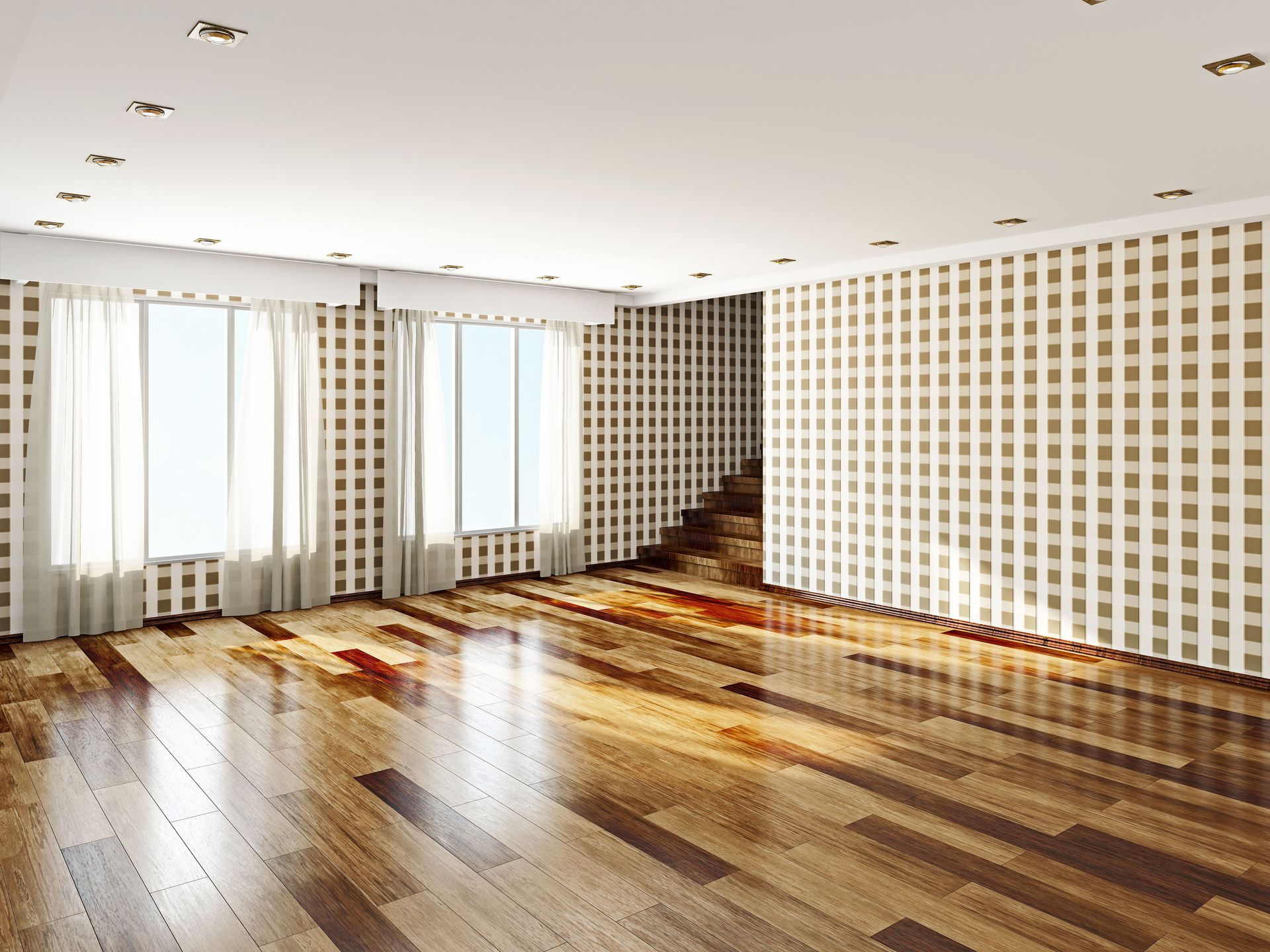
Several types of window treatments can be used individually or combined in layers. Curtains and drapes remain among the most popular options because they come in a wide variety of fabrics and colors. Curtains are typically made from lighter materials, while drapes are thicker and often lined for additional light blocking.
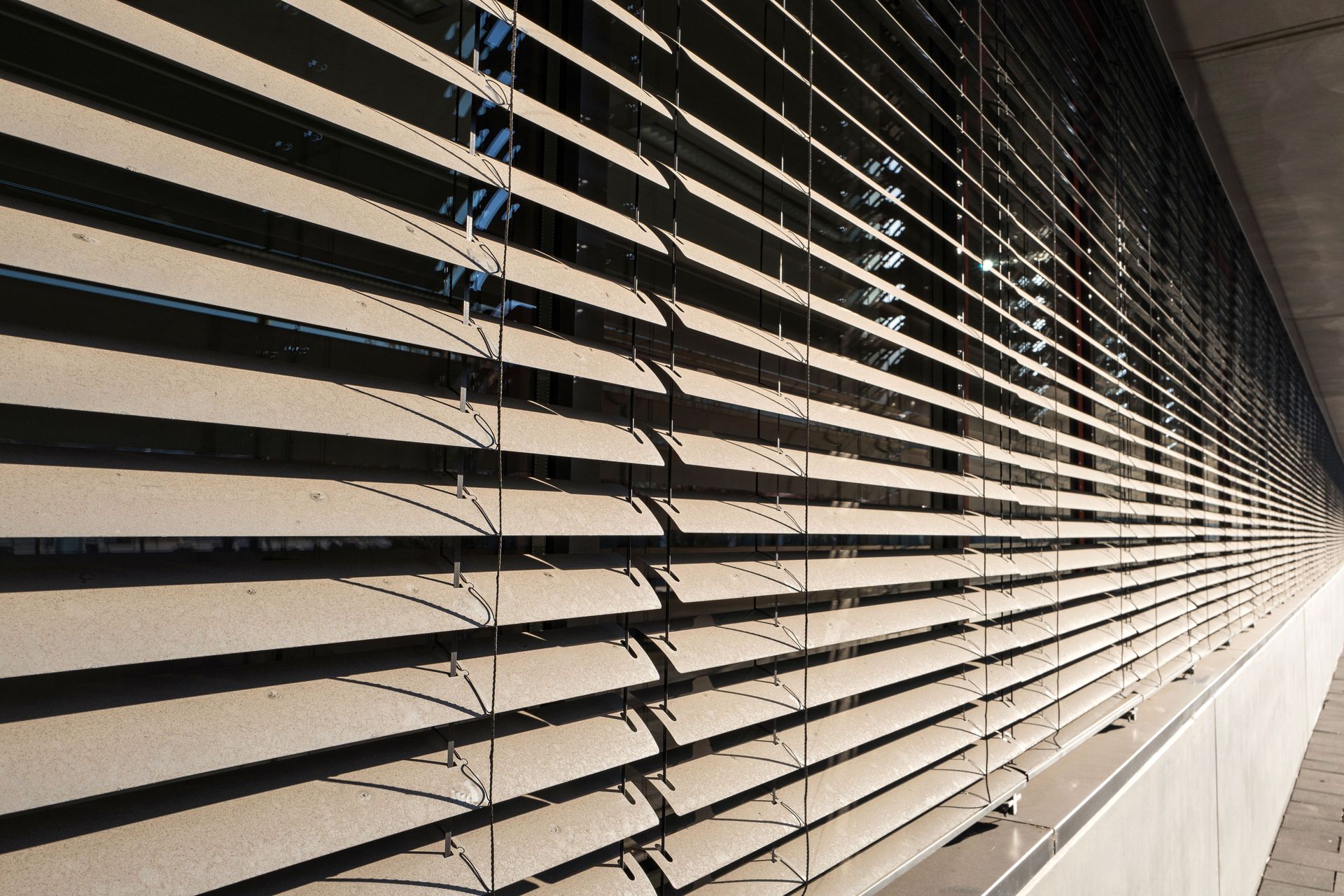
Blinds offer a more structured look and feature adjustable slats that allow precise light control. They are commonly made from wood, faux wood, metal, or vinyl. Shades provide another versatile option and are available in styles such as roller shades, Roman shades, and cellular shades.
Shutters are often considered a more permanent feature and provide strong insulation along with a classic architectural appearance. Decorative additions such as valances or cornices can be installed above the window to conceal hardware and add a finishing touch to layered window treatments.
Key Components of Effective Layering
Successful layering begins with identifying the primary goal of the window treatments. Some spaces prioritize natural light, while others focus on privacy or insulation. Understanding these priorities helps determine which materials and combinations will work best.
Hardware also plays an important role in layered installations. Curtain rods, brackets, and mounting systems must support the weight of multiple layers while matching the room’s overall style. Durable hardware ensures the window treatments function smoothly and maintain their appearance over time.
Color coordination and fabric selection further enhance the layered effect. Pairing light sheers with darker drapes, for example, creates contrast while maintaining harmony with surrounding décor. These thoughtful details contribute to a balanced and attractive design.
Selecting the Right Materials
Choosing Fabrics for Curtains and Drapes
Fabric selection has a significant impact on how window treatments look and perform. Lightweight fabrics such as cotton or linen create a relaxed and airy feel while allowing natural light to pass through. These materials work well in casual spaces like living rooms or sunrooms.
Heavier fabrics such as velvet or thick polyester blends provide stronger insulation and improved privacy. They are often used in bedrooms or formal dining rooms where blocking light is more important. Lined drapes can also help reduce outside noise and regulate indoor temperature.
Texture and pattern are equally important considerations. Subtle textures add dimension without overwhelming a room, while bold patterns can serve as decorative focal points. The key is choosing fabrics that complement the existing color scheme and furniture.
Exploring Blinds and Shades Options
Blinds and shades frequently form the functional base layer of window treatments. Their design allows precise adjustment of incoming sunlight, making them practical for everyday use. Wood and faux wood blinds remain popular because of their durability and timeless appearance.
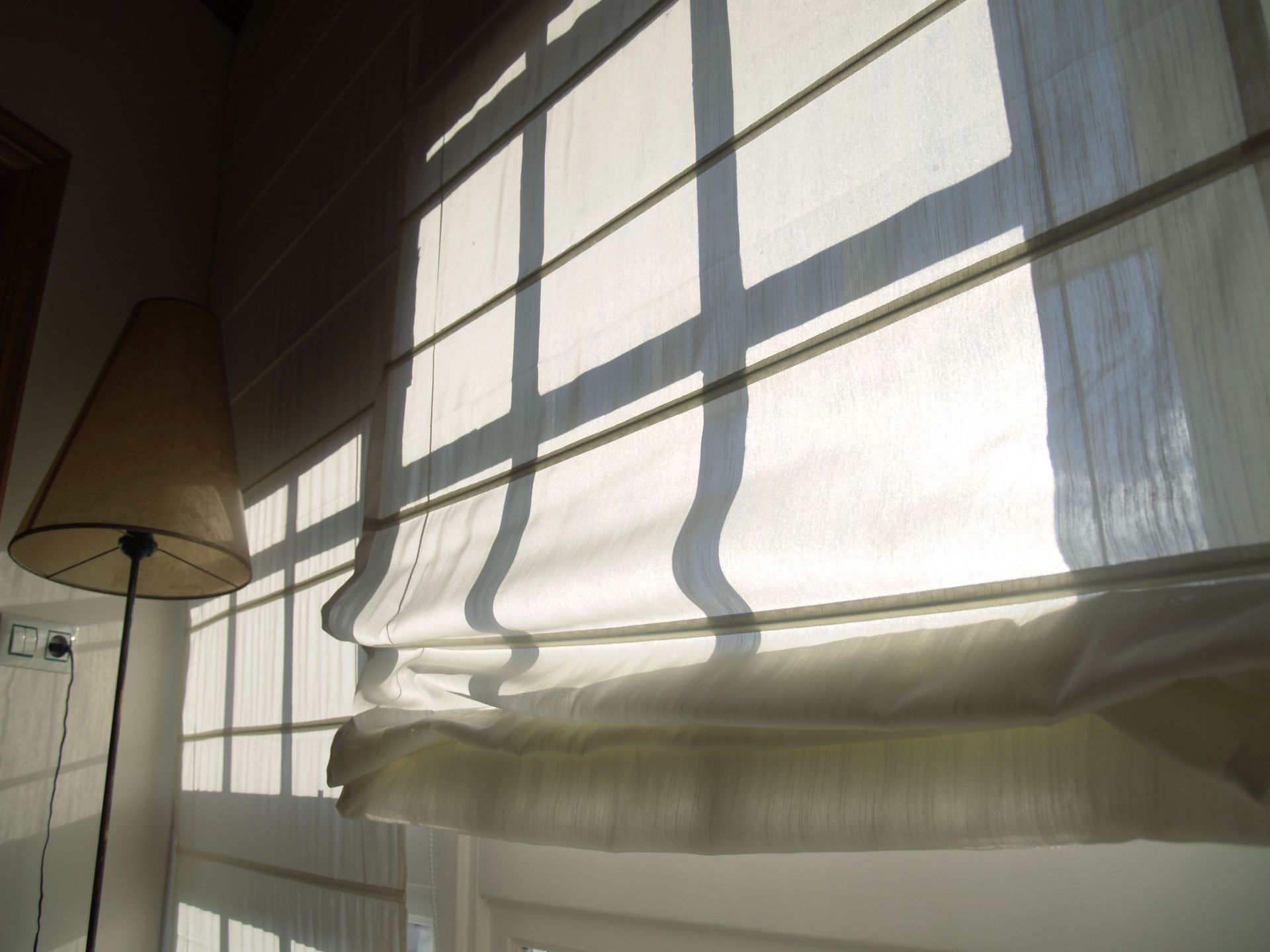
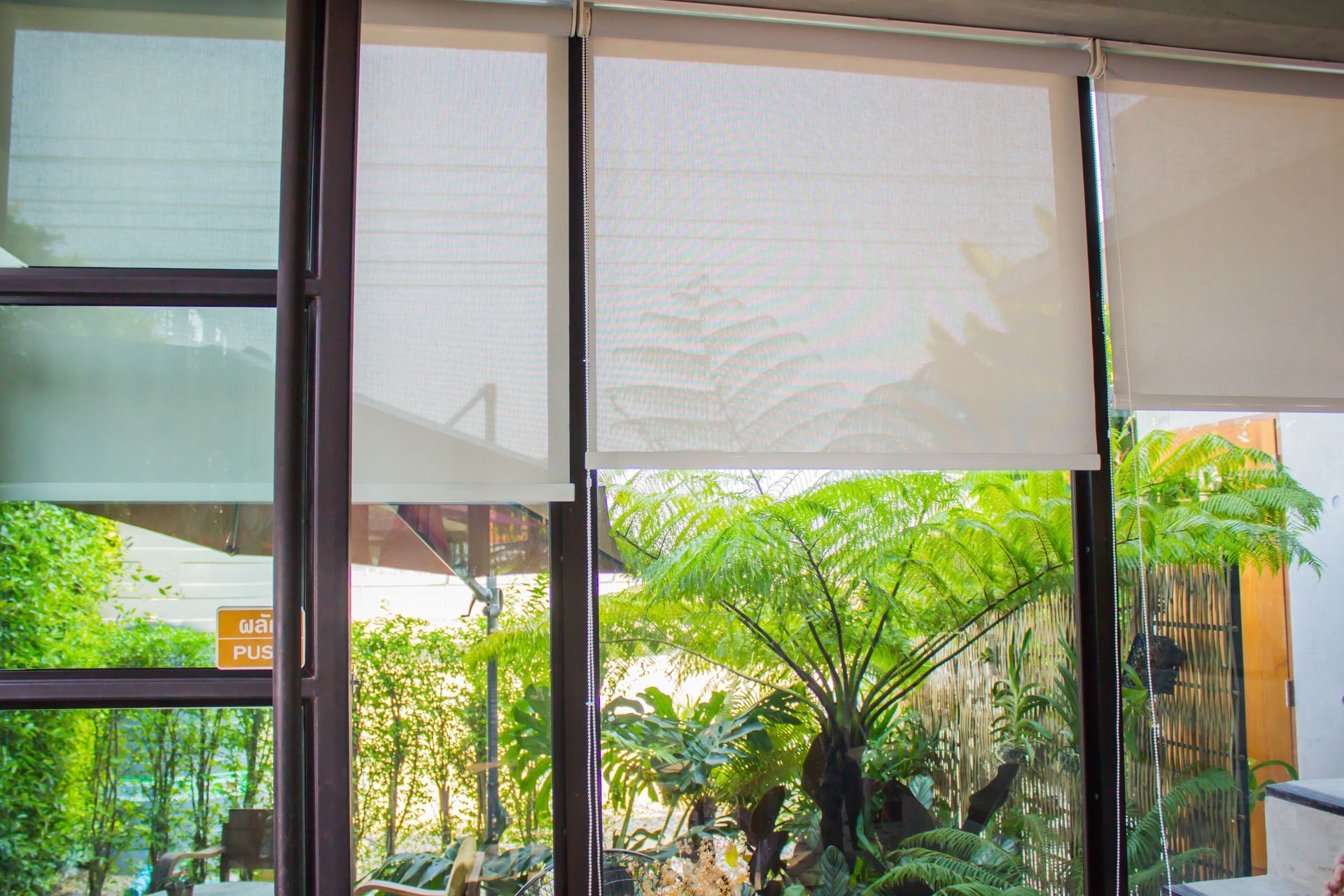
Roller shades provide a clean and modern look that blends well with minimalist interiors. Roman shades offer a more decorative alternative with soft folds that add texture to the window area. Cellular shades are also widely used because their honeycomb structure helps insulate the room.
Many modern window treatments now include motorized systems that allow homeowners to control shades or blinds with remote controls or smart home devices. These features increase convenience while improving energy efficiency.
Materials for Valances and Cornices
Valances and cornices are decorative top treatments that enhance layered window designs. Fabric valances introduce color or pattern above the window while softening the overall look. They work well when paired with curtains or drapes.
Cornices provide a more structured appearance. Typically made from wood and covered with fabric or paint, they add architectural detail while concealing rods or hardware. In formal interiors, cornices can make window treatments feel more custom and refined.
When choosing these elements, it is important to consider how they interact with the rest of the room. Coordinating materials and colors helps maintain a cohesive design that feels intentional rather than cluttered.
Complementary Accessories and Hardware
Accessories often complete the look of layered window treatments. Decorative rods, finials, tiebacks, and holdbacks all contribute to the final presentation. These details may seem small, but they can significantly influence the style of the window area.
Metal rods with polished finishes create a sleek contemporary appearance, while wooden rods offer a more traditional look. Tiebacks allow curtains to be pulled aside neatly, allowing sunlight to brighten the room while highlighting the layered fabrics. Choosing accessories that match the room’s existing décor ensures that the window treatments integrate seamlessly with other design elements.
Budget Considerations
Layered window treatments can be created at many different price points. Homeowners often combine higher-quality focal pieces with more affordable supporting elements to stay within budget. This strategy allows for a sophisticated appearance without unnecessary expense.
Focusing on important rooms first can also help manage costs. Living rooms and primary bedrooms tend to benefit most from layered treatments because they serve as key gathering spaces.
Neutral base layers, such as simple blinds or drapes, allow future updates through accessories or decorative panels. This flexibility keeps window treatments adaptable as interior styles change over time.
Layering window treatments is a practical and stylish way to improve both the look and function of any room. By combining elements such as blinds, shades, curtains, and decorative accents, homeowners can create a flexible system that manages light, enhances privacy, and adds depth to interior design.
Thoughtful material choices, proper measurements, and balanced layering all contribute to a polished final result. When carefully planned, window treatments become more than simple coverings—they become an important design feature that completes a home's overall atmosphere. For more information, contact Best Blinds & Designs.