May 22, 2026
In the quest for greater energy efficiency at home, selecting the right fabrics for custom window treatments plays a crucial role. Not only do these selections impact your home's aesthetic appeal, but they also contribute to energy savings by regulating temperature and reducing dependence on heating and cooling systems.
Understanding Energy Efficiency
Managing Home Climate
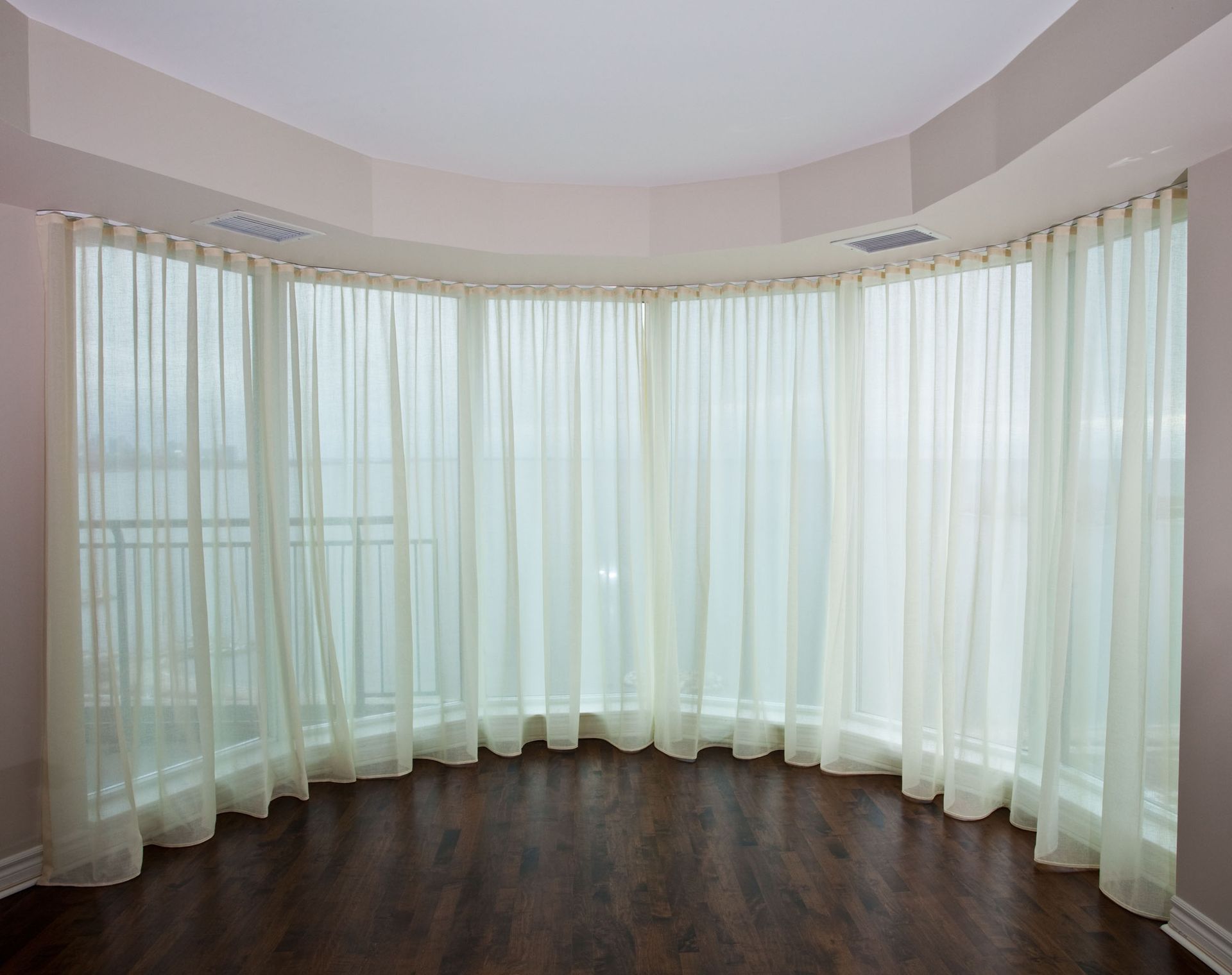
Window treatments are a fundamental aspect of home climate control, acting as barriers that manage the flow of heat. When properly designed, they help reduce thermal transfer through windows, thereby reducing energy consumption. According to the U.S. Department of Energy, heat gain and heat loss through windows account for about 25% to 30% of residential heating and cooling energy use, and properly selected window treatments, like custom draperies, can help reduce this energy loss. Such losses highlight the importance of selecting the right materials and design for window treatments.
Evaluating Thermal Performance
The thermal properties of fabrics determine how well they insulate against heat and cold. Fabrics such as wool and velvet are excellent for their heavy, densely woven nature, making them among the best choices for insulation. On the other hand, lighter fabrics like cotton allow more heat transfer, which can be advantageous in summer months to dissipate heat. Choosing fabrics that suit the season and climate of your home can tailor insulation to your specific needs. Understanding these differences is essential for making informed decisions about your window treatments.
Balancing Energy Efficiency Through Colors and Patterns
The color and pattern of a fabric can also influence its energy efficiency. Light-colored fabrics reflect more sunlight, reducing heat gain in summer, whereas dark colors absorb more heat, providing warmth during colder months. Patterns and texture can affect how light and heat interact with the fabric, making them considerations in optimizing energy efficiency. Therefore, selecting the right color and pattern based on seasonal needs can enhance the functional effectiveness of your window treatments. These elements offer a dual benefit of providing the desired aesthetic appeal while also supporting energy management.
Considering Light Control and Energy Savings
Enhancing Daytime Flexibility Through Dual-Function Fabrics
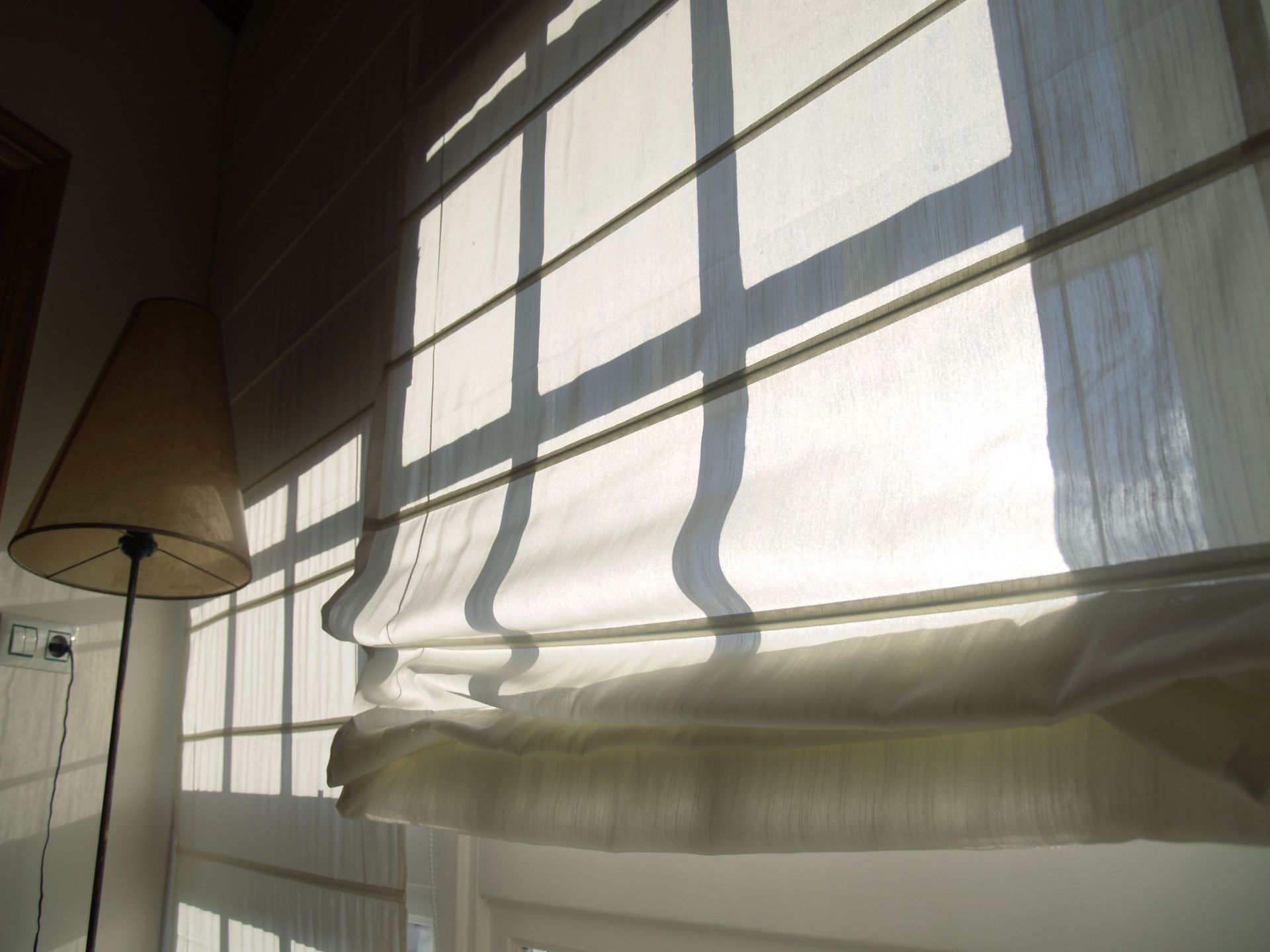
Dual-function fabrics offer flexibility, suitable for both day and night use. These fabrics often combine light-filtering and blackout functionalities, allowing homeowners to easily switch between illumination and darkness. The versatility of dual-function fabrics makes them a popular choice for areas that require dynamic light management. By integrating dual functionalities, these fabrics help optimize energy savings through reduced reliance on artificial lighting.
Increasing Energy Savings With Adjustable Blinds
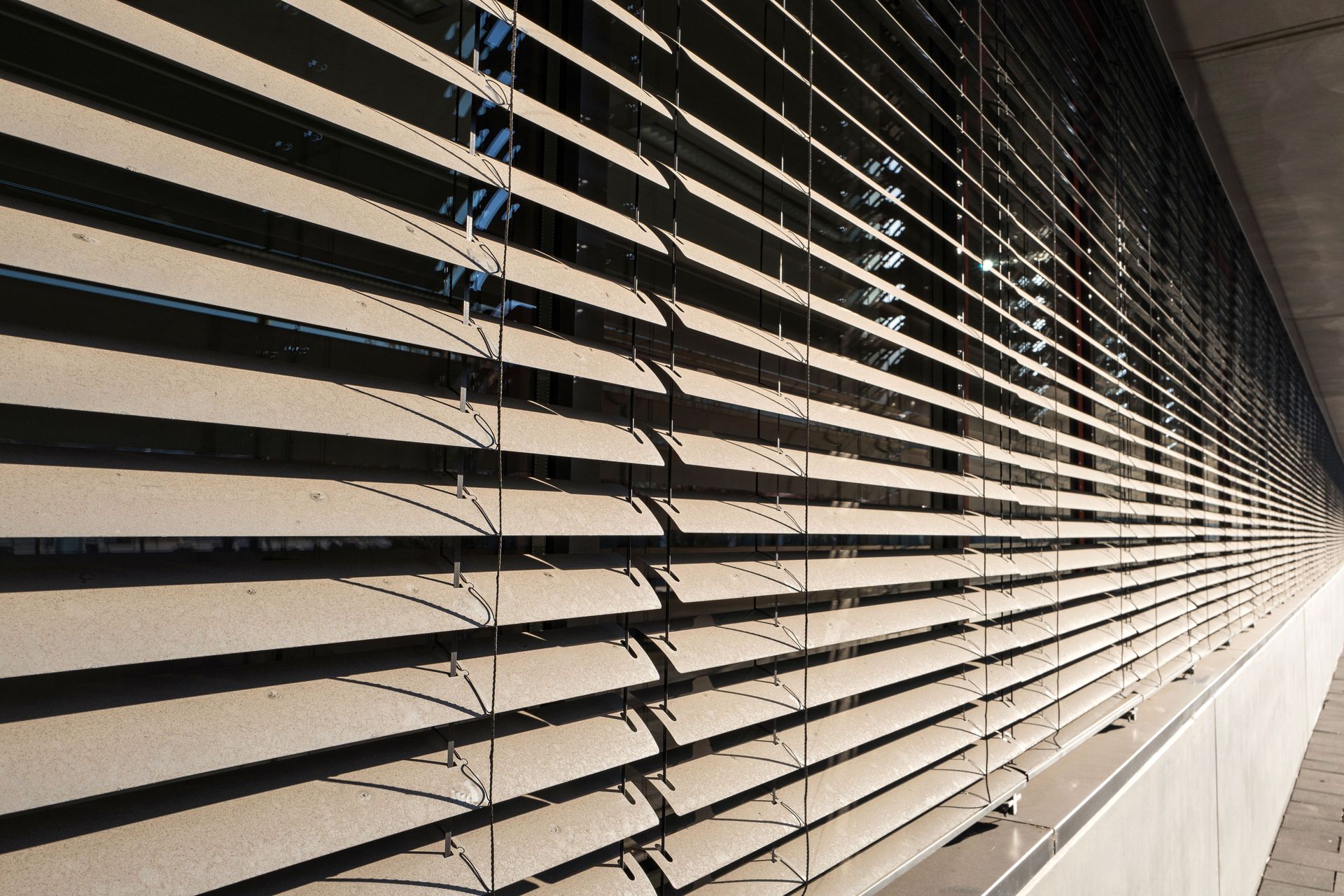
Adjustable blinds offer excellent control over both light and heat gain, presenting a versatile option for energy savings. Blinds can be easily adjusted to control the amount of sunlight entering a space, which is particularly useful during peak heat or cold. This adjustability is advantageous for maintaining indoor temperatures without over-reliance on HVAC systems, contributing directly to energy conservation. Modern designs have also incorporated advanced materials that further enhance insulation capabilities.
Optimizing Energy Efficiency Through Fabric Opacity
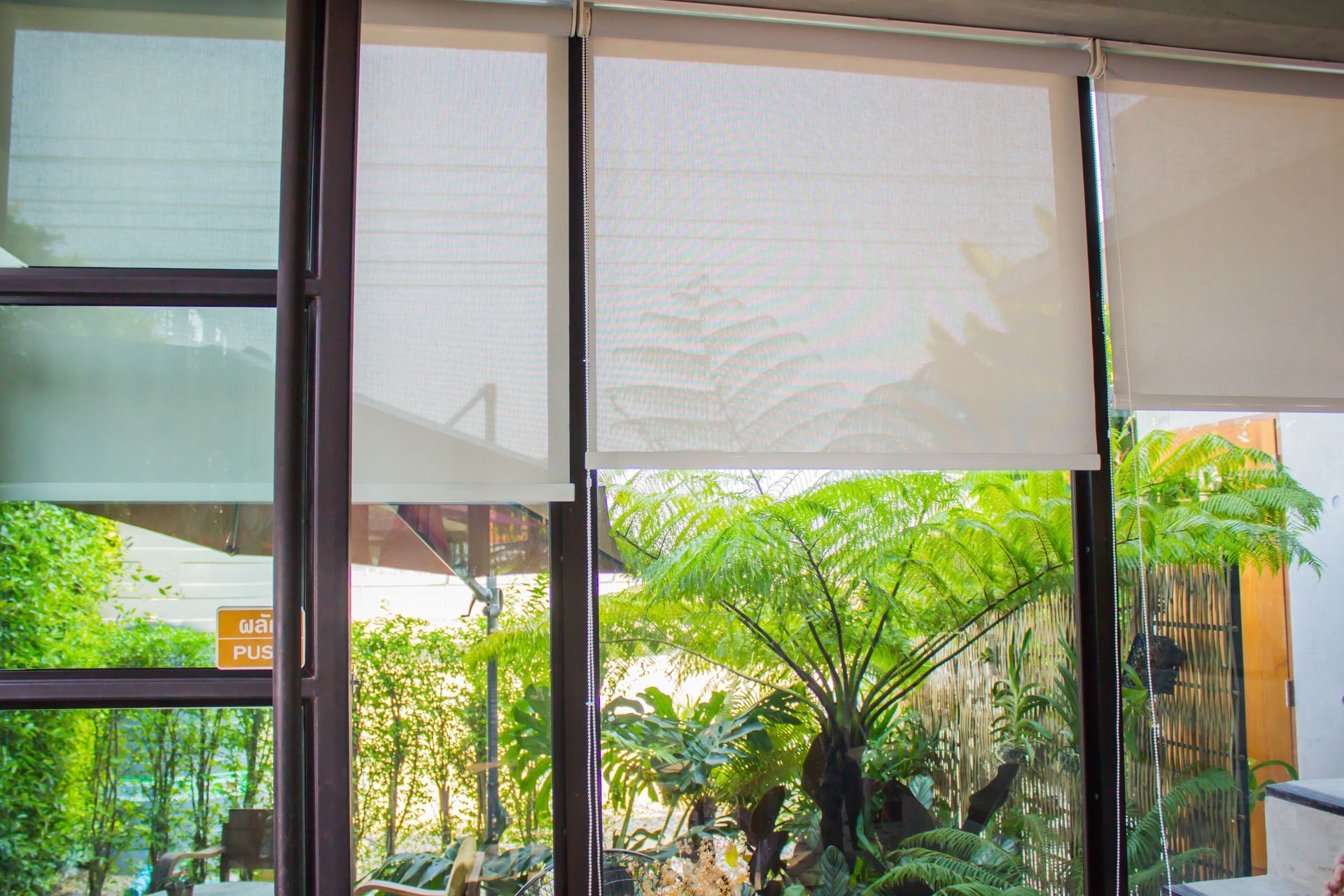
The opacity of a fabric greatly affects how it interacts with light and heat, impacting overall energy efficiency. Highly opaque fabrics block light and heat, providing optimal insulation during extreme weather. Conversely, fabrics with lower opacity allow more light to pass through, helping reduce lighting needs during the day. Selecting the right level of opacity requires balancing between sufficient light control and desired insulation benefits. This balance creates comfortable living spaces that also prioritize energy efficiency.
Choosing Sustainable Materials
Selecting Organic Cotton
Organic cotton is a sustainable and eco-friendly fabric choice for window treatments. Organic cotton's breathable properties make it adaptable to various weather conditions, though it may be better suited to lighter insulation. For homeowners concerned about reducing both energy consumption and environmental impact, organic cotton offers an ethical choice. Additionally, organic cotton offers a soft texture and subtle elegance to home interiors.
Incorporating Renewable Resources
Bamboo and hemp are growing in popularity due to their status as renewable resources, offering sustainable alternatives for window treatment fabrics. Bamboo is particularly admired for its rapid growth rate and minimal resource requirements, making it extremely eco-friendly. Hemp, on the other hand, is a durable material with a unique texture and excellent thermal properties that aid energy-efficient window insulation. By choosing bamboo or hemp, homeowners can reduce their carbon footprint while adding trendy and functional design elements to their spaces.
Reducing Waste With Recycled Fabric Choices
Recycled fabrics, made from repurposed materials, present another eco-friendly option for energy-efficient window treatments. These fabrics contribute to waste reduction and offer distinctive textures that add character to interior spaces. Using recycled materials for window treatments aligns with sustainable living practices by conserving resources and reducing energy use. Moreover, advances in textile technology have enhanced the performance and aesthetic quality of recycled fabrics, making them competitive with new materials.
Enhancing Energy Performance Through Customization
Improving Insulation Through Fabric Tailoring
Customizing window treatments to precise window dimensions enhances energy efficiency by ensuring an optimal fit that minimizes drafts and heat loss. Standard-sized treatments often leave gaps that can allow air infiltration, which increases the load on HVAC systems. Tailored window treatments eliminate these inefficiencies, providing maximum coverage and consistent insulation. Investing in custom window treatments is a step toward achieving superior thermal performance and lower energy costs.
Integrating Smart Technology for Automated Control
Incorporating smart technology in window treatments brings an advanced level of automation to home energy management. Motorized blinds and curtains can be programmed to adjust based on the time of day or climatic conditions, enhancing their energy-saving potential. Some systems can even be integrated with home automation systems to respond to real-time data, such as temperature and sunlight levels. This integration enables efficient control of natural light and temperature without manual adjustments, improving energy efficiency and convenience. Smart technology bridges the gap between functionality and modern living for energy-conscious homeowners.
Maximizing Efficiency Through Professional Fabric Design
Engaging a professional in the design of custom window treatments ensures that all elements, from the choice of fabric to the implementation of the final product, are done with precision. Professionals offer expertise in creating solutions tailored to specific thermal, aesthetic, and operational requirements. By choosing a customized design approach, homeowners can be confident that their window treatments will offer maximum insulation, beauty, and functionality. Professional design also caters to unique preferences, ensuring a holistic approach to energy-efficient home decor.
Enhancing Aesthetic Value With Energy-Efficient Fabrics
Blending Functionality With Home Decor Styles
Achieving a successful blend of functionality and style requires harmonizing fabric choices with existing home decor. Energy-efficient fabrics can be integrated into a range of design themes, from modern minimalism to traditional elegance. This balancing act underscores the importance of thoughtful selection and design to ensure that window treatments enhance a space's overall look while serving their energy-saving purpose. Integrating functional textiles that align with personal style elevates home interiors and underscores a commitment to sustainable, energy-efficient living.
Balancing Energy Efficiency and Style
The incorporation of textures and patterns is an excellent way to balance energy efficiency with style in window treatments. Different textures can evoke distinct moods and complement a range of design preferences, adding dimension to room decor. Patterned fabrics can also offer visual interest and personalization, transforming bland window spaces into featured decorative elements. Ideally, textured or patterned window treatments serve a dual purpose: enhancing the room's decor while providing key functional benefits.
Choosing the Right Hardware for Custom Designs
The selection of hardware for custom window treatments is pivotal in dictating their operational performance and contribution to aesthetics. Quality hardware is essential to support and function with energy-efficient fabrics, enhancing their durability and ease of use. Various styles of rods, rings, and brackets can complement fabric choices, ensuring the display method is as polished as the materials themselves. The hardware should ideally align with the room's decor style, whether modern, classic, or transitional, to ensure a seamless integration that upholds the window treatment's intended design.
Choosing the right materials for custom window treatments is an important step in improving both home comfort and long-term energy performance. For homeowners ready to upgrade their interiors with solutions that balance style, efficiency, and performance, Best Blinds & Designs offers expertly crafted window treatments designed to enhance every space.